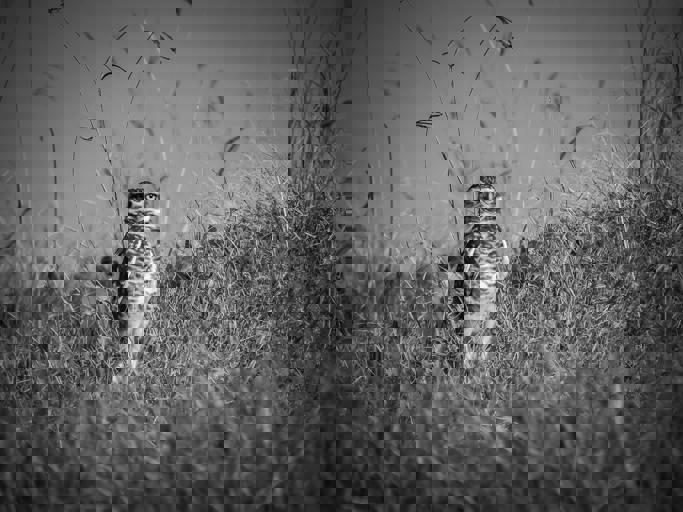
The prairies outside Winnipeg have erupted with excitement this spring as unexpected flocks of migrating owls have descended upon fields and grasslands, captivating both seasoned birdwatchers and casual nature enthusiasts. Reports began emerging in early May when hobbyists noticed an unusual concentration of short-eared, snowy, and even rare great gray owls appearing in open habitats. Birdwatching forums quickly filled with photos, videos, and enthusiastic discussions about the extraordinary influx.
Wildlife experts believe that a combination of favorable weather patterns and an abundant prey population may have triggered this remarkable migration event. "We’re seeing far more owls than we typically expect at this time of year," explained Dr. Rachel Evers, an ornithologist at the University of Manitoba. "It’s likely tied to a surge in field vole numbers, which provide reliable food during their journey north."
Local birding groups have organized spontaneous outings to take advantage of the unprecedented sightings, turning once-quiet roadsides into lively gathering spots. On any given evening, dozens of binocular-wielding observers can be seen lining fence posts, their faces illuminated by the soft prairie sunset as they scan for glimpses of silent, gliding hunters. The birdwatching scene has taken on an almost festival-like atmosphere, drawing visitors from across Manitoba and beyond.
One particularly thrilling aspect for experts and amateurs alike has been the emergence of rarely seen species. While Manitoba is known for occasional snowy owl sightings in winter, the presence of great gray owls during the spring migration is exceedingly uncommon. Local birder Natalie Swan shared her excitement: "I’ve waited my entire life to see a great gray owl here, and now I’ve spotted three in just a week. It’s truly magical."
The influx of owls is not only a boon for birders but also a valuable research opportunity for scientists. Researchers from the Manitoba Breeding Bird Atlas project have fanned out across the region, documenting owl movements and gathering data on their health, age, and dietary habits. "Events like this help us better understand how prairie ecosystems respond to changing climate and food cycles," remarked Dr. Evers.
Many locals have embraced the excitement, with some farmers and landowners allowing respectful access to their properties for birdwatching tours. This spirit of cooperation has enriched the experience and fostered a sense of community stewardship for the owls and their habitats. Gary Farmer, who owns fields near Oak Hammock Marsh, said, "It’s been wonderful seeing people so interested in what’s happening right here. We’re happy to share it, as long as the birds are left undisturbed."
The economic impact of this natural phenomenon has not gone unnoticed. Winnipeg-area hotels and tour operators have reported an uptick in bookings, while local cafes and supply shops have also benefited from the surge in visitors. Tourism Winnipeg released a statement applauding the responsible birdwatching boom: "Ecotourism events like this remind us how Manitoba’s wild landscapes offer unforgettable experiences for all."
Looking ahead, conservationists urge continued vigilance to ensure the welfare of both owls and their vital grassland habitats. Experts recommend maintaining respectful distances, minimizing noise disturbances, and supporting responsible land management. As the owls resume their northward migration, the region’s birdwatching community will undoubtedly remember this season as a testament to the wonders of Manitoba’s prairies—and the powerful draw of nature’s surprises.