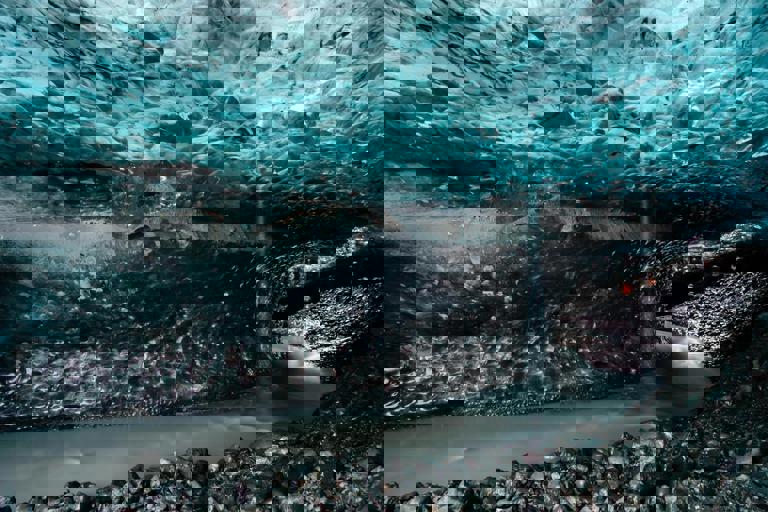
Deep within British Columbia’s Kootenay region, a subterranean world of mystery and beauty has begun drawing adventurous souls from across Canada and beyond. Explorers, scientists, and outdoor enthusiasts alike are captivated by caves harboring uncharted ice formations, a rare spectacle in the world of speleology. With glistening columns, frozen waterfalls, and unusual crystalline structures, these caves offer an experience found in few other places on earth, marrying the thrill of exploration with the awe of natural artistry.
While British Columbia is long celebrated for its rugged landscapes and mountainous beauty, the Kootenays are quickly gaining reputation for something a little more hidden—its evolving network of deep caves. Local spelunking clubs have reported a spike in visitors, with many eager to witness the underground ice phenomena. Tourism operators note that visitor inquiries about guided cave tours have risen by nearly 40 percent this year compared to last, reflecting a surging curiosity for this mysterious underworld.
Scientists are equally intrigued by the Kootenay caves, especially the formations of perennial underground ice. Dr. Rachel Kimura, a climate scientist at the University of British Columbia, points out, “Ice preserved below ground provides a unique record of past climate conditions. Investigating these formations, which are untouched by sunlight, reveals valuable clues about temperature fluctuations over centuries.” Such insights are crucial amid growing concerns over climate change and receding glaciers.
The uncharted nature of many caves only adds to their allure. Much of the Kootenay cave system remains unmapped, making each expedition a genuine journey into the unknown. Experienced spelunker Liam Henderson describes the thrill: "Nothing compares to crawling through a tight passage, only to emerge into a chamber glittering with pristine ice—structures that very few humans have ever seen." For many, these discoveries fuel a collective sense of wonder and adventure.
This rising interest has significant economic implications for the region. Local outfitters and tour guides are investing in specialized training and equipment, eager to cater to spelunkers and scientists alike. “We’re hiring more guides, updating safety gear, and expanding our services,” says Julia Renaud, owner of Kootenay Underground Expeditions. The increased activity is spilling over into surrounding communities, with hotels, restaurants, and shops experiencing a welcome boost in business.
However, the growing foot traffic into these delicate environments has prompted cave conservationists to sound a note of caution. Due to their sensitivity, ice formations can be easily damaged by temperature changes and physical contact. Brian Shepherd, a member of the Canadian Cave Conservancy, urges visitors, “Respect is paramount. We need to educate people about responsible practices to keep these formations intact for future generations.” This tension between accessibility and preservation has become a central theme of local conversations.
In response, collaborative efforts are underway between caving groups, scientists, and regional authorities. Together, they’re developing protocols to monitor cave health, track visitor impact, and minimize disturbance. Provincial officials have even floated the idea of designating certain caves as protected areas, pending further research. These discussions reflect British Columbia’s broader commitment to environmental stewardship, a value deeply embedded in the province’s outdoor culture.
Not all of the caves’ secrets are icy, however. Some contain plant and animal life rarely seen elsewhere, while others hold minerals of scientific and historical interest. Over the past decade, paleontologists have uncovered bone fragments from extinct megafauna, providing rare glimpses into the region’s prehistoric past. Such discoveries add yet another layer of intrigue to these already fascinating geological formations.
Despite the rugged terrain and challenges posed by remote access, the Kootenay caves have become a gathering point for a diverse community of outdoor lovers. From university research teams to amateur caving clubs, people are drawn together by shared curiosity. Social media is teeming with photos and stories, fostering a growing sense of connection among adventurers and stoking the imaginations of would-be explorers across Canada and beyond.
Seasoned locals have noticed an uptick in international visitors as well, with travelers from Europe, the United States, and Asia eager to see the famed ice caves firsthand. The regional tourism board has responded by developing multilingual resources and safety materials. Local ambassador Marcelle Giroux notes, “The world is just beginning to discover what we’ve known for years—that the Kootenays hold wonders unlike anywhere else in Canada.”
Safety remains a top priority for all involved. The caves’ often slippery surfaces, low temperatures, and challenging navigation require proper preparation and experience. Regional search and rescue teams have bolstered their readiness for emergencies, and all guided tours emphasize safety briefings and the use of protective equipment. Organizers recommend that inexperienced visitors always explore with certified guides and never underestimate the caves’ inherent risks.
As the popularity of the Kootenay caves continues to climb, the balance between exploration and conservation will remain vital. Ongoing research, education, and responsible ecotourism practices are needed to ensure these underground wonders endure. For now, the caves remain a thrilling frontier in British Columbia—and a testament to Canada’s rich legacy of natural beauty and adventure, beckoning explorers to a world that lies hidden just beneath the surface.