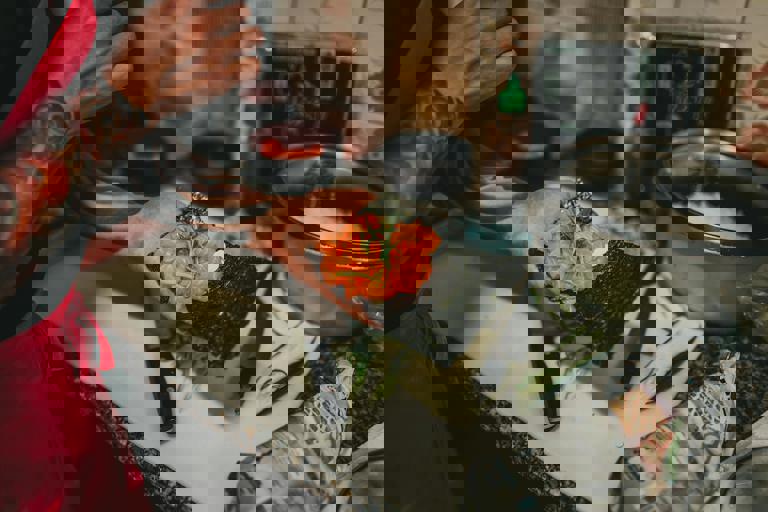
Chef Keesic Douglas, an acclaimed Anishinaabe culinary innovator based in Toronto, is making waves in Canada’s bustling food scene by shining a spotlight on manoomin—wild rice, a traditional Indigenous staple. His efforts aim not only to elevate this heritage ingredient for modern palates but also to educate urban diners about its profound cultural and ecological importance. Wild rice, naturally harvested from lakes across Ontario and Manitoba, holds a revered place in Anishinaabe tradition as both sustenance and symbol.
Wild rice, or manoomin, is far removed from the more common varieties of domesticated white or brown rice that line grocery shelves. “Wild rice is a living part of our history—it’s nutritious, resilient, and tells a story about our land and people,” Douglas shared in a recent interview. His restaurant, Spirit Harvest, opened this year in downtown Toronto, quickly became a destination for those seeking an authentic taste of Indigenous cuisine with a modern twist.
Douglas’s menu features heritage wild rice in inventive dishes that blend tradition with contemporary culinary artistry. Highlights include wild rice-crusted Arctic char, manoomin and mushroom risotto, and wild rice pancakes paired with seasonal berries. Each creation is designed to showcase the unique nutty flavor and chewy texture of manoomin, while also introducing diners to recipes generations in the making, passed down through Douglas’s family and elders in his community.
The popularity of these dishes reflects a wider movement across Canada to reclaim and celebrate Indigenous foodways. According to a 2023 report from Food Secure Canada, interest in Indigenous-owned eateries and markets has risen by nearly 30% over the past five years. Diners are increasingly keen to experience authentic tastes, learn about traditional sustainable harvesting, and support Indigenous producers. Douglas sees this as a vital opportunity for cultural exchange.
Central to Douglas’s philosophy is the relationship between food and sustainability. Wild rice harvesting is a delicate balance—done respectfully by canoe, using hand-held sticks, without disturbing the delicate water ecosystems. “It’s about giving back as much as we take,” Douglas explains. His kitchen sources all wild rice directly from Indigenous harvesters, many of whom rely on traditional ecological knowledge passed down through generations to protect the rice beds and ensure future yields.
This commitment to ethical sourcing resonates with urban consumers, particularly as issues around food security and climate change gain prominence. “People don’t just want great taste—they want to know where their food comes from and that it’s produced responsibly,” says Louise Cardinal, a Toronto-based food blogger who’s profiled Spirit Harvest. She notes that the restaurant’s popularity demonstrates a genuine appetite for transparency and cultural integrity in dining.
Douglas’s approach to storytelling extends beyond the plate. The restaurant hosts regular ‘Wild Rice Evenings’ where elders, chefs, and community leaders share teachings and stories about manoomin with guests. These interactive dinners foster a deeper appreciation for the cultural and spiritual significance of wild rice, highlighting how food can serve as a bridge to understanding and reconciliation between Indigenous and non-Indigenous communities.
Reception from both critics and the broader dining public has been overwhelmingly positive. Writing for Canada’s Globe and Mail, food critic Anika Menard described eating at Spirit Harvest as "a transformative experience—one that’s as thought-provoking as it is delicious." Patrons routinely remark on the freshness and depth of flavor, but also leave with a heightened respect for the heritage behind every dish. For Douglas, that growing appreciation is among his proudest achievements.
As he looks to the future, Douglas hopes that wild rice will continue to spark dialogue and inspire change beyond the culinary world. He envisions a network of Indigenous food producers, chefs, and educators working together to nurture traditions, protect local ecosystems, and bring genuine Indigenous voices into Canada’s food culture. “Reviving manoomin is about more than recipes,” Douglas reflects. “It’s about honouring our ancestors and sharing a taste of who we are with the world.”